Low Histamine Foods Guide
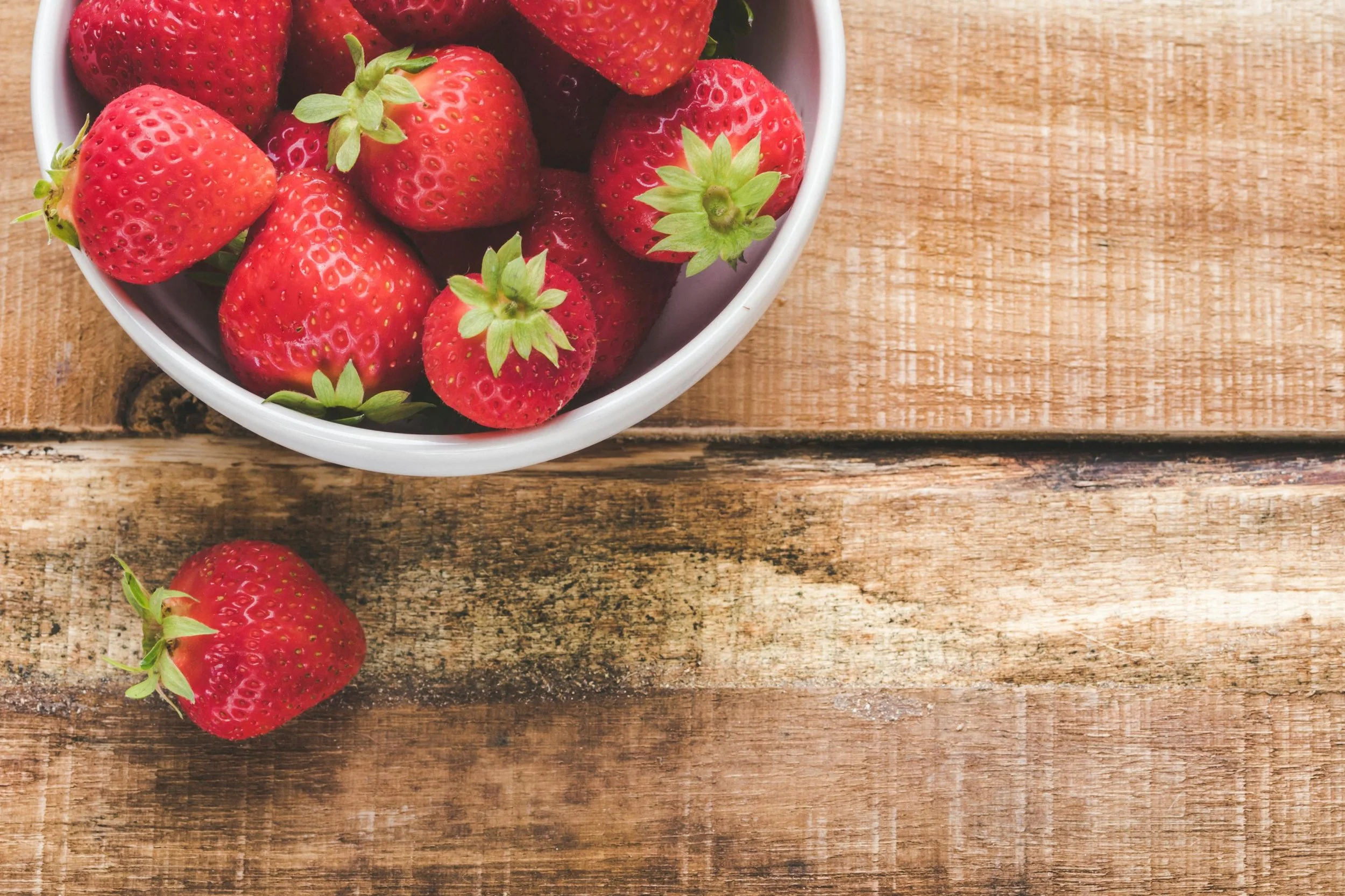
Low histamine foods may be helpful for people experiencing symptoms such as flushing, headaches, itching, digestive discomfort, or sleep disturbance related to histamine signalling.
Histamine intolerance occurs when the body cannot effectively break down histamine from food or internal release. In some cases this may relate to reduced DAO enzyme activity, gut inflammation, or increased histamine release from immune cells.
A low histamine dietary approach may help reduce symptom load while underlying drivers are addressed.
Foods Generally Well Tolerated
Many people find these foods easier to tolerate while histamine symptoms are settling.
Fresh chicken
Fresh fish
Eggs
Rice
Potatoes
Carrots
Zucchini
Blueberries
Olive oil
For a more complete list, download the full guide below.
Foods That May Trigger Symptoms
Some foods naturally contain higher levels of histamine or may trigger histamine release in sensitive individuals.
Fermented foods
Aged cheeses
Processed meats
Alcohol
Tomatoes
Spinach
Chocolate
Leftovers stored for extended periods
Tolerance varies between individuals, and not everyone reacts to the same foods.
Download the Low Histamine Food Guide
Download the full Low Histamine Foods Guide for a detailed list of foods and practical tips for managing histamine related symptoms.
Need Personalised Support?
Symptoms such as flushing, itching, headaches, digestive discomfort, or food reactions can have many underlying causes including gut health, inflammation, hormonal changes, and stress.
Individual assessment can help identify contributing factors and guide a personalised treatment approach.